RAG and AI knowledge search · United Kingdom Answers from your own knowledge, with the sources shown.
Retrieval-augmented generation (RAG) and AI knowledge search development for UK organisations: search and question-answering over documents, policies, tickets and systems, with citations, permissions and evaluation.
UK-registered company. International engineering team.
01 /
RAG and AI knowledge search for UK businesses.
Most of what an organisation knows sits in documents nobody can find: policies, contracts, manuals, tickets, past proposals. Retrieval-augmented generation turns that into a system that answers questions in plain English and shows where the answer came from. Krapton builds RAG and knowledge search products for UK businesses, from a single-team knowledge base to organisation-wide search with permissions.
The hard parts are not the model. They are document processing, chunking and indexing strategy, access control, evaluation and keeping the index fresh. We do those properly, so the answers are accurate and the system stays trustworthy as content changes.
02 /
Where it earns its keep.
01 /
Organisation-wide knowledge search
One place to ask across SharePoint, Google Drive, Confluence and file shares, respecting existing permissions.
02 /
Policy and procedure assistants
HR, compliance and operations questions answered from current policy with citations.
03 /
Support knowledge
Agents and customers find resolutions from documentation and past tickets faster.
04 /
Technical and product documentation
Engineers and sales teams get precise answers from manuals, specifications and release notes.
03 /
Built to be trusted in production.
Evaluation before release, guardrails by design and people in control of the decisions that matter.
01
Content audit and connectors
Which sources matter, their formats and permissions, and how they will be kept in sync.
02
Processing and indexing
Document parsing, chunking, metadata and embeddings designed for your content, with hybrid keyword and semantic retrieval.
03
Evaluation set
Real questions with known answers, measuring retrieval quality and answer faithfulness before release.
04
Permissions and operations
Document-level access enforcement, freshness monitoring and usage analytics in production.
04 /
The decisions that shape the build.
Search must never show someone a document they could not open directly, so permission enforcement at retrieval time is non-negotiable. Personal data in indexed content is still personal data under UK GDPR; retention and access rules carry over.
What every AI engagement includes
- A use case with a measurable result and representative examples
- An evaluation set rerun on every prompt, model or data change
- UK GDPR-aware data flows, with UK or EU hosting where residency matters
- Human review and defined permissions for anything consequential
- Cost and quality monitoring after launch
05 /
Applied AI, connected to a real product.
Krapton’s own AI products, then a success story from our international portfolio describing the work delivered.
Company Signal
A clearly labelled AI brief on every newly registered UK company, for sales teams and advisers.
See the productDocuForge AI
AI that turns scanned PDFs and Word documents into structured spreadsheets.
See the productApex Engineer
An AI race engineer that gives live strategy calls while you drive.
See the productArtificial Mufti
An AI assistant that answers questions from approved sources, in a mobile app.
See the product
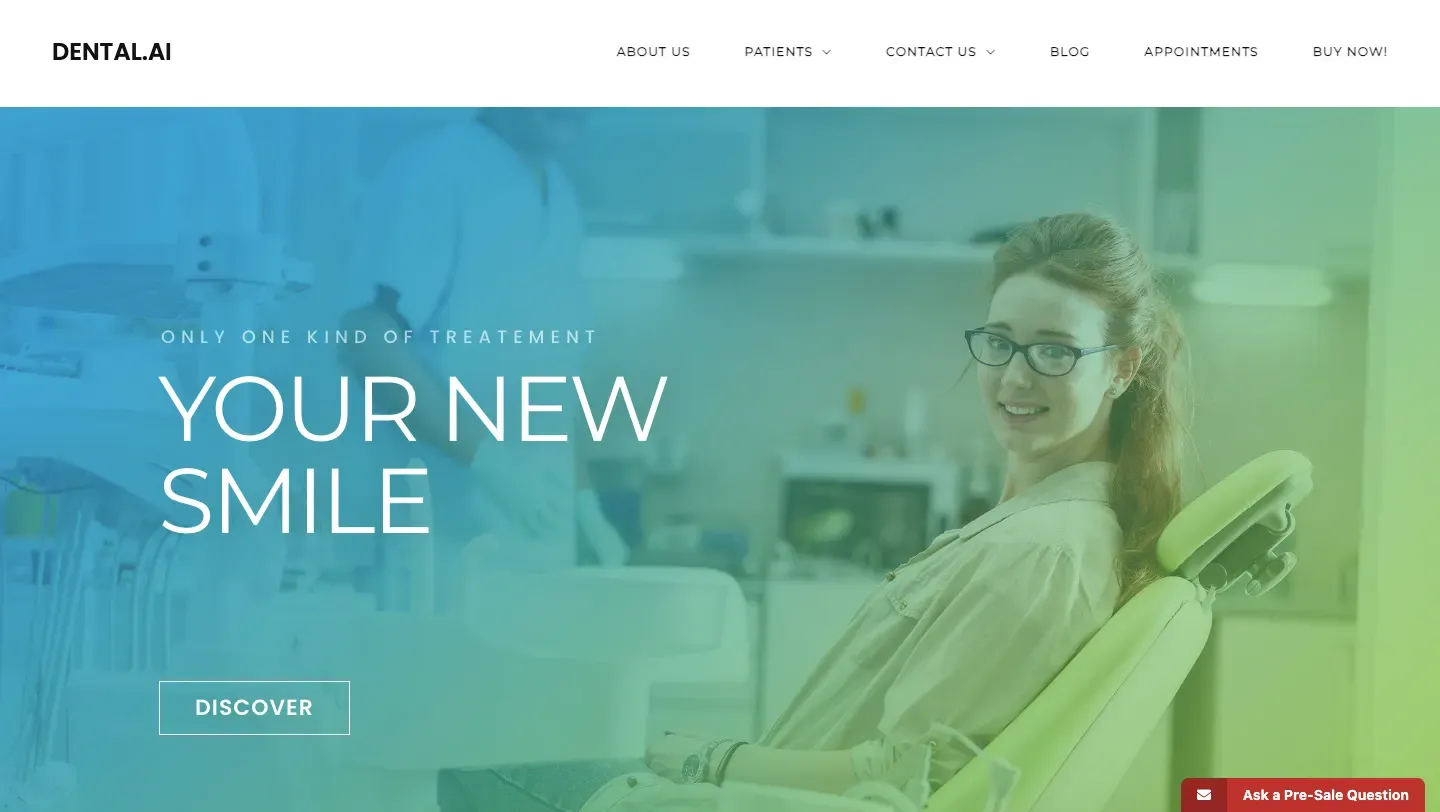
Dental.AI
Dental.AI set out to give patients instant, AI-driven insight into their oral health from a single dental image — which meant pairing a clinical-grade analysis pipeline with a web experience patients actually trust.
Read the success story06 /
RAG and AI knowledge search: questions UK teams ask.
What is retrieval-augmented generation?
RAG is a design where the system first retrieves the most relevant passages from your own documents and then asks a language model to answer using only those passages, citing them. It keeps answers grounded in your content rather than the model’s general knowledge.
Can it respect our existing document permissions?
Yes. Permissions from SharePoint, Google Drive or your own systems are captured at indexing time and enforced at query time, so each user only receives answers from documents they are allowed to see.
How accurate is it?
That is measured, not assumed. We build an evaluation set of real questions with known answers and report retrieval and answer quality before release, then monitor it in production.
How does the index stay up to date?
Connectors sync changes on a schedule or by event, and the system tracks document versions so superseded content is removed. Freshness is monitored and reported.
Where is our data stored?
In your chosen UK or EU region, in a vector database and storage you own. Model endpoints are used with enterprise terms that do not train on your data.
07 /
Connect the capabilities.
AI agents and assistants
Assistants that answer from your knowledge and agents that act within limits.
AI development
Assistants, agents, RAG search and automation built on your data.
Bespoke software development
Bespoke systems built around the way your organisation works.
AI MVP development
Launch a first AI product that proves demand.
Healthcare AI development
Clinical admin, triage and patient tools built with governance in mind.
Fintech AI development
Onboarding, risk and support automation for regulated finance.
Let’s scope your RAG & knowledge search.
Bring the task, the examples and the systems involved. We’ll tell you what an evaluation set, a prototype and a first release would look like.