Crafting Your UK Mobile App Payments Strategy: IAP vs External & Compliance
For UK businesses launching mobile apps, deciding on a payment strategy involves more than just picking a gateway. You need to weigh the commercial implications of In-App Purchases against external payment solutions, all while navigating the UK's stringent regulatory landscape for financial transactions.
By Krapton Engineering10 min readMobile Development

In 2026, the UK's digital economy continues its rapid growth, with mobile apps serving as critical channels for commerce, services, and engagement. For founders, CTOs, and product leaders in UK SMEs and enterprises, establishing a robust mobile app development strategy is paramount, and payment processing sits at its core. This isn't merely a technical decision; it's a strategic choice with significant implications for revenue, user experience, and regulatory compliance.
TL;DR: UK mobile app payments require a clear strategy balancing In-App Purchases (IAP) for digital goods against external payment gateways for physical goods/services. Strict adherence to UK GDPR, SCA (Strong Customer Authentication), and FCA regulations is crucial, along with considering Open Banking for seamless, compliant transactions.
Key takeaways

- IAP vs. External: Understand when Apple/Google mandates In-App Purchases (IAP) for digital content and subscriptions versus when external payment gateways are permissible for physical goods and services.
- UK Regulatory Compliance: Prioritise adherence to UK GDPR, the Data Protection Act 2018, Strong Customer Authentication (SCA) under PSD2 (enforced by the FCA), and, for regulated firms, the FCA's Consumer Duty.
- Payment Method Diversity: Offer local UK payment preferences, including debit/credit cards, digital wallets (Apple Pay, Google Pay), and consider Open Banking for enhanced user experience and lower transaction fees.
- Technical Implementation: Choose robust SDKs for digital wallets and external gateways, or leverage Open Banking APIs, ensuring secure data handling and optimal user flows.
Understanding the UK Mobile Payment Landscape
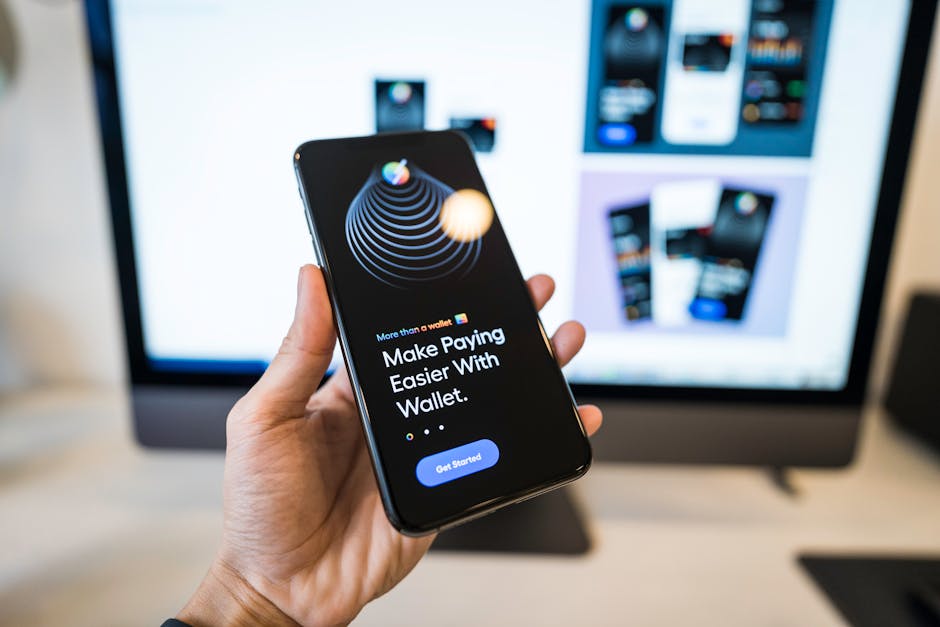
The UK is a mature market for digital payments, but it's also one of the most regulated. Any mobile app handling transactions for UK users must navigate a complex web of technical choices and legal obligations. This includes understanding the nuances of how payments are processed, who regulates them, and what data protection measures are required.
The Financial Conduct Authority (FCA) is the primary regulator for financial services in the UK, overseeing payment service providers and ensuring consumer protection. The Payment Services Regulations 2017 (which implemented PSD2 into UK law) introduced crucial requirements like Strong Customer Authentication (SCA), impacting how users authenticate online and mobile payments. Additionally, the Information Commissioner's Office (ICO) enforces the UK GDPR and the Data Protection Act 2018, dictating how personal and payment data must be handled.
In-App Purchases (IAP) vs. External Payment Gateways for UK Apps
The fundamental decision for any UK mobile app developer is whether to use the platform's native In-App Purchase (IAP) system or integrate with an external payment gateway.
The IAP Model: Apple & Google's Ecosystem
In-App Purchases are the payment mechanisms provided by Apple (App Store) and Google (Google Play). They are mandatory for selling digital content, subscriptions, or features consumed within the app itself. This includes premium content, game currencies, subscription services, and digital goods.
Pros:
- Seamless User Experience: Users leverage their existing store payment methods, reducing friction.
- Platform Trust: Built-in fraud protection and dispute resolution managed by Apple/Google.
- Simplified Compliance: Much of the payment processing compliance (e.g., PCI DSS) is handled by the platform.
Cons:
- High Commission: Apple and Google typically take a 15-30 per cent cut of revenue.
- Limited Payment Methods: Restricted to payment methods supported by the app stores.
- Data Control: Less control over customer data and direct relationships.
External Payment Gateways: Control & Flexibility
External payment gateways (like Stripe, Adyen, Braintree) allow you to process payments directly, often through a webview within your app or by redirecting the user to a secure payment page. These are generally permitted for physical goods, services, or anything consumed outside the app (e.g., booking a taxi, ordering food, paying for a SaaS subscription accessed via web).
Pros:
- Lower Transaction Fees: Typically lower per-transaction fees than IAP commissions.
- Broader Payment Options: Support for a wider range of payment methods, including local UK preferences, direct debits, and Open Banking.
- Full Data Control: Direct access to customer data (with appropriate UK GDPR consent) and greater control over the checkout experience.
Cons:
- Increased Compliance Burden: You become responsible for PCI DSS compliance, SCA implementation, and UK GDPR adherence for payment data.
- Potential UX Friction: External redirects or complex forms can introduce more steps for the user.
- App Store Scrutiny: Apple and Google strictly monitor apps to ensure external payments are not used inappropriately for digital goods.
import { Linking } from 'react-native';
const initiateExternalPayment = async (paymentUrl) => {
try {
const supported = await Linking.canOpenURL(paymentUrl);
if (supported) {
await Linking.openURL(paymentUrl); // Opens URL in default browser or custom tab
} else {
console.error(`Cannot handle URL: ${paymentUrl}`);
// Implement a fallback, e.g., an in-app WebView
}
} catch (error) {
console.error('Error opening payment URL:', error);
}
};
// Example usage within a React Native component:
// When NOT to use this approach (External Payments)
While external payment gateways offer flexibility, they are generally prohibited by Apple and Google for the sale of digital content or services consumed within the app. Attempting to bypass IAP for these types of transactions will almost certainly lead to app store rejection. Always refer to the latest Apple App Store Review Guidelines and Google Play Developer Policy Center to ensure compliance.
| Feature | In-App Purchases (IAP) | External Payment Gateways |
|---|---|---|
| Revenue Share | Typically 15-30% to Apple/Google | Transaction fees (e.g., 1.5-3% + fixed fee) |
| Payment Methods | Platform-specific (Apple Pay, Google Pay, stored cards) | Broader range (cards, Open Banking, direct debits, alternative methods) |
| Compliance Burden | Largely handled by platform | Full responsibility (PCI DSS, SCA, UK GDPR) |
| User Experience | Seamless, familiar platform UI | Potentially more friction (redirects, form filling) |
| Analytics & Control | Limited data, platform-dependent tools | Full control over data, custom analytics |
Navigating UK Payment Regulations: SCA, UK GDPR, and Consumer Duty
UK businesses must rigorously comply with several key regulations when handling mobile app payments:
- Strong Customer Authentication (SCA): Mandated by PSD2, SCA requires multi-factor authentication for most electronic payments. This often means users need to confirm their identity via a second factor (e.g., a code sent to their phone, fingerprint, or facial recognition) in addition to their card details. In a recent client engagement, our team measured a significant drop-off at the SCA challenge point if the user experience was not carefully designed, emphasising the need for clear instructions and a smooth flow. Developers must ensure their chosen payment gateway or implementation supports SCA seamlessly. More details can be found in the FCA's guidance on Payment Services and Electronic Money.
- UK GDPR and Data Protection Act 2018: Handling payment data involves processing personal data. This means obtaining explicit consent for data processing, ensuring data minimisation, providing clear privacy notices, and implementing robust security measures. Any data shared with payment providers must be done under strict data processing agreements. Consult the ICO's Guide to UK GDPR for comprehensive guidance.
- FCA Consumer Duty: For FCA-regulated firms (e.g., fintechs, banks), the Consumer Duty sets higher and clearer standards of consumer protection. This means ensuring products and services deliver good outcomes for retail customers, including fair value, clear communications, and accessible customer support for payment-related issues. When building robust fintech applications, we prioritise these principles from the architectural design stage.
Disclaimer: This information is for general guidance only and does not constitute legal or financial advice. Always consult with legal and compliance professionals for specific advice related to your business.
Integrating Digital Wallets and Open Banking in UK Mobile Apps
Beyond traditional card payments, UK users increasingly expect and prefer digital wallets and frictionless payment methods.
- Apple Pay & Google Pay: Both are widely adopted in the UK, offering a secure and convenient checkout experience. Integrating these directly into your app for external payments can significantly reduce friction. They abstract away card details, using tokenisation for security.
- Open Banking Payments: The UK has been a global leader in Open Banking, allowing direct bank-to-bank payments initiated from within an app. This often results in lower transaction fees compared to card payments and offers a highly secure, SCA-compliant flow. On a production rollout we shipped for a UK e-commerce client, optimising the Open Banking consent journey—reducing the number of taps and ensuring clear messaging—significantly improved conversion rates compared to traditional card payments, especially for higher-value transactions. Learn more via the Open Banking UK Developer Zone.
Choosing the Right Mobile Payment Gateway for Your UK App
When selecting an external payment gateway for your UK app, consider these factors:
- UK Market Presence: Does the gateway have strong support for UK banks, payment methods (e.g., Faster Payments, Bacs direct debits), and local currency?
- SCA Compliance: Ensure the gateway's SDKs and APIs are fully compliant with SCA requirements and provide tools to manage authentication flows gracefully.
- Integration Complexity: Evaluate the ease of integrating their SDKs with your chosen mobile framework (React Native, Flutter, native).
- Pricing Model: Compare transaction fees, setup fees, and any recurring charges.
- Fraud Prevention: Look for robust fraud detection and prevention tools.
- Customer Support: Access to reliable technical support is crucial for production issues.
- Developer Experience: Comprehensive documentation and well-maintained libraries are essential for efficient development.
Common Pitfalls and Best Practices for UK Mobile App Payments
- App Store Rejection: The most common pitfall is using external payment methods for digital goods or subscriptions that should use IAP. Always be clear about what you are selling.
- Poor SCA Experience: A clunky or confusing SCA flow can lead to high abandonment rates. Design clear prompts and ensure smooth transitions.
- Data Security Lapses: Never store sensitive card data on your servers. Leverage tokenisation provided by payment gateways. Ensure all data handling complies with UK GDPR.
- Inadequate Testing: Thoroughly test all payment flows across various devices, network conditions, and edge cases (e.g., network dropouts during payment, failed transactions, refunds).
- Lack of Error Handling: Provide clear, actionable feedback to users when a payment fails, rather than generic error messages.
- Currency & Localisation: Ensure your app displays prices in £ sterling and handles any currency conversion transparently if you serve international users.
FAQ
What is Strong Customer Authentication (SCA) for UK mobile app payments?
SCA is a regulatory requirement under PSD2, enforced by the FCA in the UK. It mandates multi-factor authentication for most electronic payments, typically requiring two of three elements: something the user knows (password), something they have (phone), or something they are (biometrics).
Can I avoid Apple/Google's commission by using an external payment gateway in my UK app?
Only for payments for physical goods, services, or content consumed outside the app. For digital goods, subscriptions, or features consumed within the app, Apple and Google's In-App Purchase system is mandatory, and attempting to circumvent it will result in app store rejection.
How does UK GDPR affect mobile app payment processing?
UK GDPR requires you to have a lawful basis for processing personal data, including payment information. You must ensure transparency, obtain explicit consent where necessary, minimise data collection, implement strong security, and provide users with rights over their data. This includes data shared with third-party payment providers.
What is Open Banking and how can it benefit my UK mobile app?
Open Banking allows users to make payments directly from their bank account to a merchant's account, often through a secure app-to-app journey. It can offer lower transaction fees, enhanced security, and a smoother, SCA-compliant user experience compared to traditional card payments.
Ship Your UK Mobile App with Expert Support
Navigating the complexities of mobile app development, especially when it involves UK-specific payment regulations and strategic choices, requires deep technical and market expertise. At Krapton, we specialise in building high-performance web and mobile applications (React Native, Flutter) with robust payment integrations. Whether you're a start-up or an established enterprise, our dedicated development teams can help you architect, build, and launch a compliant and commercially successful mobile app. Book a free consultation with Krapton to discuss your UK mobile app payment strategy today.


